
East Africa pulses with life. Rolling savannahs, misty wetlands and sprawling woodlands comprise a wilderness that has been both celebrated and, unfortunately, threatened.
Today, this region also pulses with hope, thanks to ongoing conservation efforts and inspiring stories of revival. To celebrate the incredible protective efforts seen across East Africa’s lakes, wetlands and savannahs, we wanted to share some of the most remarkable stories that show how conservation in Africa can have a real, lasting impact.
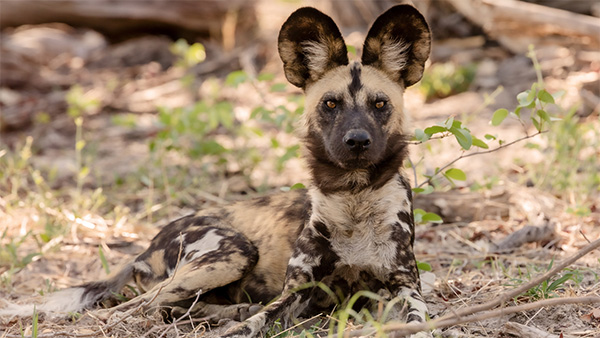
Few animals embody teamwork like the African wild dog. With their mesmerising pack dynamics, seeing their numbers dwindle in Ruaha National Park has been a painful evolution. Historically, these wild dogs have declined in number due to habitat loss, human-wildlife conflict and disease. Yet, thanks to coordinated conservation efforts, the population in Ruaha has been given a second chance.
Though precise current numbers are scarce (in fact, the wild dog is the second most threatened carnivore across Africa) conservationists have focused on improving disease control, anti-poaching measures, and community outreach which have facilitated uplifts in sightings and survival. With protected corridors more stabilised, veterinary interventions curbing health problems and disease, and neighbouring communities working together, the future for these animals offers hope.
This change shows how conservation in Africa is all about long-term, holistic changes, such as restoring ecosystems where predators, prey, and people can all flourish.
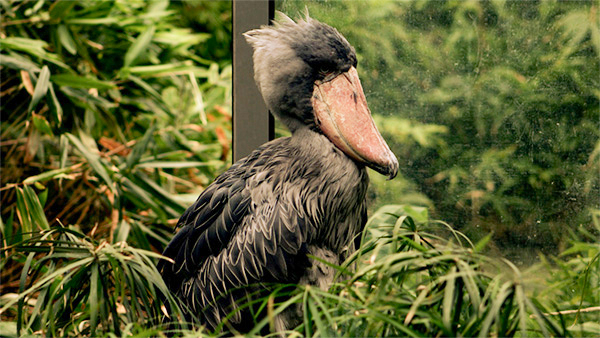
The shoebill is a truly unforgettable bird. Tall, with a prehistoric look and enormous bill, the shoebill lives in the wetlands – a shrinking habitat that makes it vulnerable. Their global population currently stands between 3,300 to 5,300 and continues to decline.
In Uganda, the Mabamba Bay wetland (one of 33 Important Bird Areas) stands as a lifeline for shoebills. As such, it has been listed under the Ramsar Convention as a wetland of international importance.
As a fantastic example of East African conservation, Judith Mirembe, wildlife researcher and chair of Uganda Women Birders, worked with Shoebill-Watch Uganda to install trail cameras around the wetlands and raise funds for monitoring nesting sites. This part is vital, as shoebills often hatch multiple eggs but feed just one chick.
Save the Shoebill is another example of fantastic community conservation efforts. This organisation funds locally-led projects to raise awareness, conduct research and implement conservation measures – helping to protect the shoebill for this generation and the next.
The story of the shoebill shows the power of community. Collectively, these efforts turn watchers and admirers into guardians. Each recorded sighting, community talk, or nesting success plays a big part in long-term conservation in Africa.
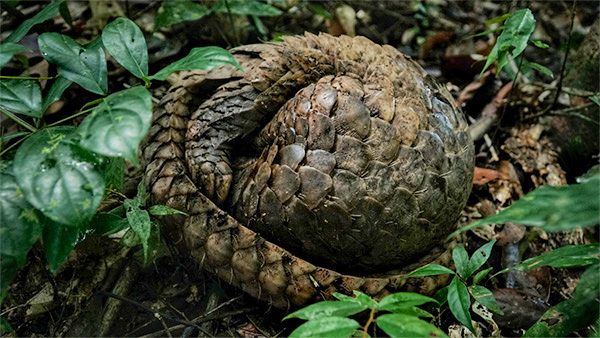
Known as scaled anteaters, pangolins are the most trafficked mammals in the world. Their keratin scales and meat are highly valued in various marketplaces across the globe.
In a 10-year period, more than one million pangolins were trafficked from the wild in Africa1. In 2019, a single shipment was seized which contained the scales of a staggering 36,000 pangolins2.
This shipment in particular highlighted the size of this problem, and since then conservation efforts have been mounting. Today, the Zoological Society of London works with communities living alongside pangolins, secures international trading bans, deploys anti-poaching patrols and works with local law enforcement to help stabilise the populations of these animals.
Other authorities around the world have also put measures into place, including anti-poaching patrols, shipment seizures and listing various pangolin species under the Endangered Species Act. All of these efforts continue to come together to disrupt the trade of pangolins around the world.
The protection of pangolins goes far beyond their own species – they act as ecosystem engineers. Did you know, a single pangolin can consume over 200,000 termites in one meal? This protects entire forests from damage and decay. Their burrows also turn the soil over, helping with aeration and nutrient cycling. Every pangolin saved contributes to a healthy habitat and a more hopeful future for conservation in Africa.
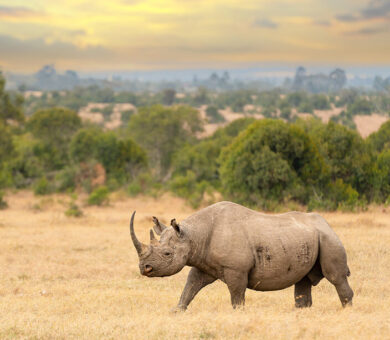
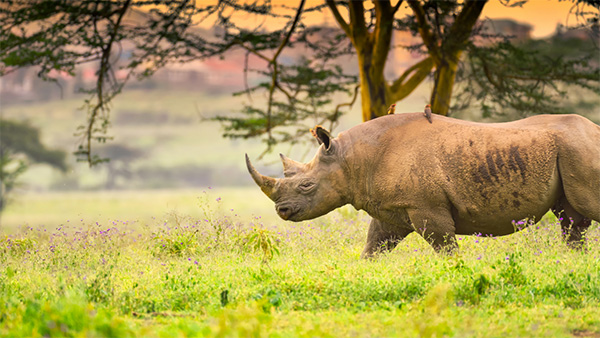
If you’re looking for a real feel-good story, Ziwa Rhino and Wildlife Ranch in Uganda is it. This sanctuary reintroduced southern white rhinos in 2005, decades after Uganda lost its native black and northern white rhinos.
In the early 1980s, native populations of these rhinos were eradicated. In 2005, Ziwa Rhino and Wildlife Ranch introduced just six southern white rhinos to their ranch from Kenya and Florida, with the hope of breathing new life into the species. They expected results thanks to the perfect habitat at Ziwa, but not to the scale they saw.
Today, there are almost 50 rhinos at Ziwa! Protected by 24/7 ranger patrols, these rhinos now roam safely. Ziwa is proof that long-term conservation efforts can truly bring species back from the brink.
At ARP Africa, the safari journeys we curate are not only an opportunity to experience the incredible East African wildlife, but to help protect it.
You can visit, observe and even contribute to the continued recovery of fragile ecosystems and species. That’s responsible, ethical, sustainable travel that goes beyond tourism.
Conservation efforts in East Africa are diverse, from international pangolin trade seizures to grassroots monitoring with local communities in shoebill wetlands. The scale varies, but the message is the same. Bold action, collaboration and persistence are restoring hope across this wild, vibrant region.
Your trip to East Africa can be far more than a visit, it can be a living chapter in these stories of revival. At ARP Africa, that’s what we’re most proud to offer.
Get in touch with us if you’re interested in being a part of East Africa’s future.