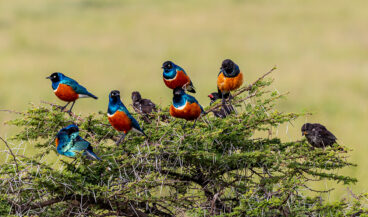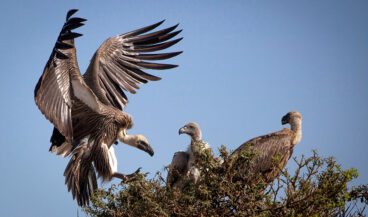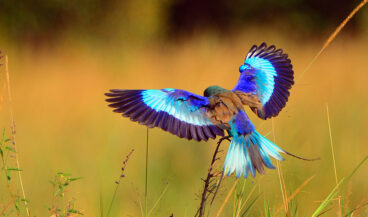
If you’re planning an East African safari with birdwatching in mind, you’ll quickly discover just how diverse the region is. Across Kenya, Tanzania and Uganda, landscapes shift from open savannah and alkaline lakes to dense rainforest and vast wetlands, creating habitats for more than 1,400 bird species. One of the biggest advantages of birdwatching here is the sheer variety of experiences you can combine within a single journey. You might spend one morning photographing flamingos gathered around Rift Valley lakes, then continue into predator-rich plains where secretary birds and martial eagles move across the grasslands overhead. In Uganda’s forests, your focus shifts entirely, rewarding slower exploration and patient observation among endemic species rarely seen elsewhere in Africa.
You’ll also find that birdwatching in East Africa naturally encourages a slower, more immersive style of safari travel. Rather than rushing between sightings, you can spend time following movement through the trees, listening for calls across wetlands or waiting patiently for the perfect photographic moment as the light shifts across the landscape.
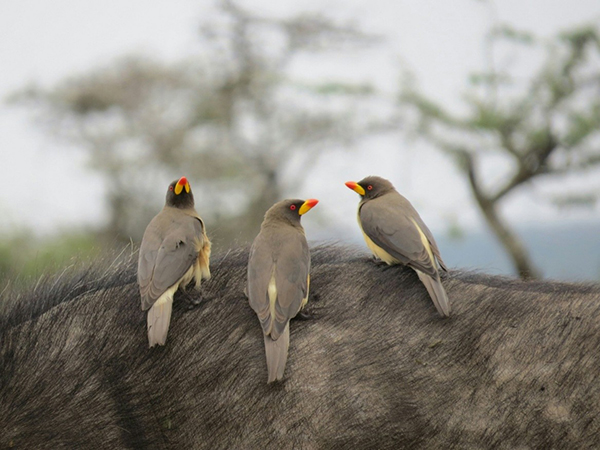
Three oxpeckers hitch a ride, picking ticks from a buffalo’s back
Kenya remains one of the most rewarding destinations for travellers wanting to combine traditional safari experiences with world-class birdwatching. While the Maasai Mara is widely associated with the Great Migration, you can also find more than 450 bird species across its grasslands, riverbanks and acacia woodlands.
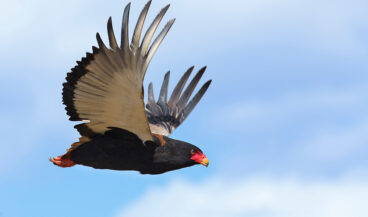
If you visit between November and April, migratory birds arrive from Europe and North Africa, bringing even more variety to the region. During these greener months, bird activity increases considerably, and breeding plumage creates striking flashes of colour throughout the landscape. Raptors are particularly impressive in the Mara, with bateleurs, martial eagles and secretary birds regularly seen soaring above the plains.
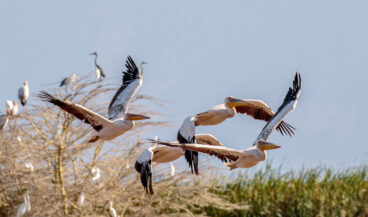
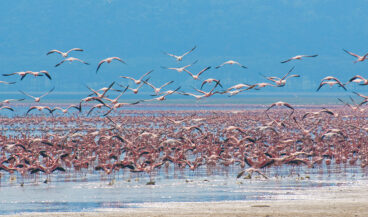
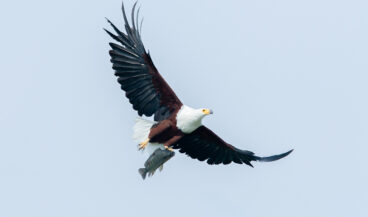
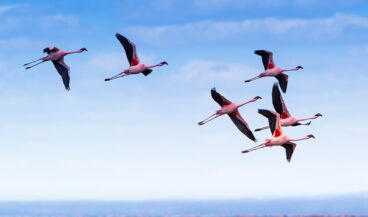
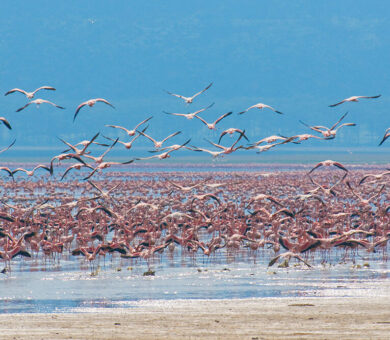
Beyond the Mara, Kenya’s Rift Valley lakes provide some of East Africa’s most photogenic birding environments. Around Lake Nakuru and Lake Naivasha, you can watch flamingos gathering in huge numbers alongside pelicans, cormorants and African fish eagles. Early mornings are especially rewarding for photography, when softer light and calmer conditions create ideal shooting opportunities.
If you prefer quieter safari experiences, Kenya’s private conservancies and wetland regions often feel far more immersive than the busier national parks. Slower-paced game drives and guided walks allow you to focus on smaller details, making bird sightings feel far more connected to the wider landscape around you.
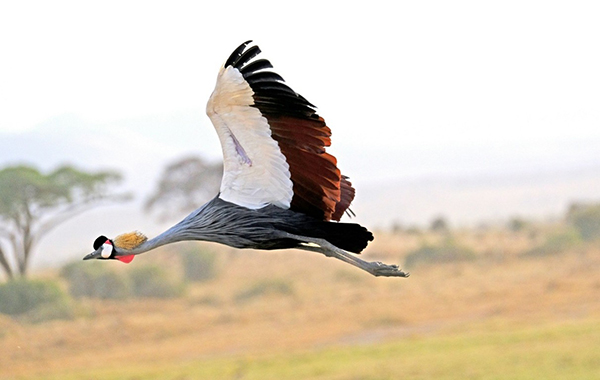
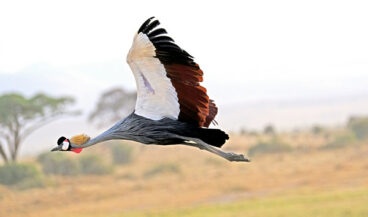
A grey crowned crane glides low across the savanna
Tanzania offers an incredible range of habitats for birdwatchers, particularly if you’re hoping to combine birding with iconic safari scenery. The Serengeti alone supports more than 500 bird species, giving you opportunities to spot everything from ostriches and hornbills to colourful bee-eaters and an impressive variety of raptors. The green season, usually running from November through March, tends to be especially rewarding for birdwatching and photography. Migratory species arrive in large numbers, landscapes become more vibrant and dramatic skies often create excellent conditions for wildlife photography. During this period, you’ll also notice more active nesting and breeding behaviour among resident species.
The Ngorongoro Crater brings entirely different birding conditions thanks to its changing elevations and mix of habitats. On the crater floor, flamingos gather around soda lakes while surrounding forests shelter turacos, sunbirds and other highland species. If you’re interested in quieter safari experiences, southern parks such as Ruaha offer excellent bird diversity with fewer visitors and a stronger sense of remoteness.
Travelling through Tanzania gives you the chance to experience birdlife within constantly changing landscapes, which keeps each stage of the journey feeling distinct. One day may centre around open plains and large birds of prey, while the next focuses on wetland species hidden among reeds and waterways.
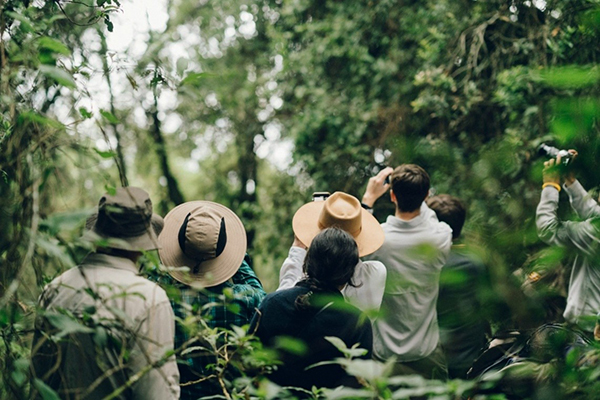
A group of birders makes their way through the forest, eyes to the canopy
If your safari priorities lean towards specialist birdwatching, Uganda deserves serious consideration. The country supports more than 1,000 recorded bird species within a relatively compact area, making it one of Africa’s richest birding destinations.
Bwindi Impenetrable Forest is best known for gorilla trekking, though it also attracts birdwatchers searching for Albertine Rift endemics. As you move through dense rainforest trails, you can encounter species such as the African green broadbill, Shelley’s crimsonwing and several elusive forest birds rarely found elsewhere. Birdwatching here feels immersive and deeply connected to the environment, with every sighting rewarding patience and careful attention.
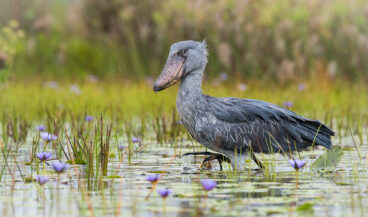
Uganda also offers one of the best chances to see the legendary shoebill. In Mabamba Swamp near Entebbe, you can explore papyrus channels by canoe while scanning the reeds for movement. Spotting this prehistoric-looking bird in such a quiet setting becomes a genuine highlight for many photographers and bird enthusiasts.
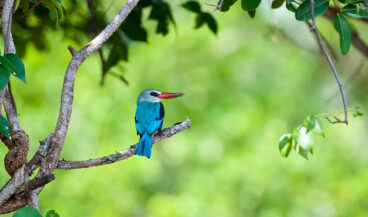
Queen Elizabeth National Park combines classic safari scenery with outstanding bird diversity, allowing you to move between wetlands, crater lakes and open savannah within the same itinerary. Crowned cranes, kingfishers, pelicans and flamingos all thrive here, particularly during wetter months when migratory species are present and landscapes remain lush and green.
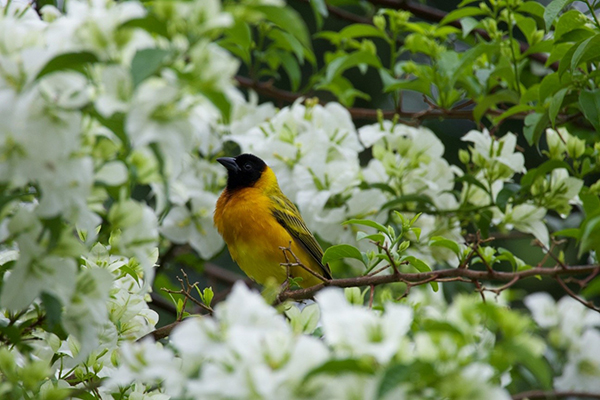
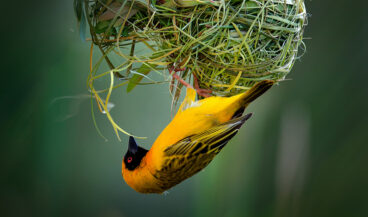
A black-headed oriole pauses amid a flourish of white bougainvillea
The best time for birdwatching in East Africa often differs slightly from traditional safari travel seasons. While dry months from June to October are excellent for general wildlife viewing, many birdwatchers prefer travelling between November and April.
During these greener months, migratory birds arrive across East Africa in significant numbers, increasing species diversity throughout the region. You’ll also experience breeding season for many resident birds, bringing brighter plumage, more active behaviour and stronger photography opportunities. Fuller waterways and greener landscapes add even more depth to wildlife images, particularly during early mornings and after seasonal rains.
That said, your ideal travel period depends entirely on the type of safari you’re hoping to experience. If photography sits at the centre of your trip, softer light and dramatic seasonal conditions can make the green season particularly appealing. If you’re combining birdwatching with large-scale game viewing, a shoulder-season itinerary often provides the best balance between wildlife concentrations and bird activity.
East Africa rewards travellers who enjoy slowing down and observing the details around them. Alongside the region’s famous mammals, you’ll find an extraordinary variety of movement, colour and behaviour unfolding through its birdlife. With the right timing and carefully planned destinations, your safari can become every bit as rewarding for birdwatching as it is for traditional wildlife encounters.
Find out more about adding a world-class birdwatching experience to your safari itineraries. Speak to an expert today to help plan your packages