
East Africa is one of the world’s most iconic travel destinations, yet questions around safety often surface for first-time visitors. Influenced by media headlines and outdated perceptions, many travellers are unsure what to expect when planning a safari or beach holiday in the region. In reality, East Africa welcomes millions of visitors each year and has a well-established tourism infrastructure focused on safety, professionalism and guest wellbeing. This article explores the most common safety misconceptions, from crime and political stability to health and wildlife encounters, and explains the realities of travelling in East Africa today—so you can plan your journey with confidence and excitement.

Is East Africa safe for tourists? This is often one of the biggest questions travellers ask when considering a trip to East Africa. Media headlines and outdated perceptions can sometimes create uncertainty and worry amongst travellers.
In reality, East Africa is a well-established tourism destination which welcomes millions of visitors each year for safaris, beach holidays and cultural experiences. This blog addresses some of the most common safety misconceptions in East Africa and explains the reality of travelling there today.

East Africa is often perceived as having high crime rates, and tourists might worry that their personal belongings aren’t safe. Some travellers show concern that they may be targeted as tourists, or that crime is widespread in the areas they plan to visit.
Crime levels vary by country and location, just as they do anywhere in the world. However, high crime rates within this region are inflated by non-violent, petty crimes such as pickpocketing. These crimes tend to occur primarily within urban areas, so they don’t apply to the vast majority of people visiting and staying in tourist areas.
Most tourists spend their time in national parks, private reserves and coastal resorts – areas which have strong security and low crime rates. Lodges and camps work closely with local communities, ensuring it is a safe environment for those visiting. By following local advice and basic precautions, visitors experience East Africa in a safe and welcoming way.
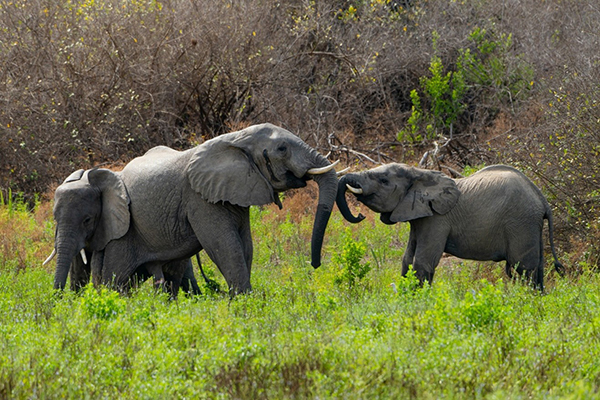
Some visitors may worry that tourists are targeted for crime because they are perceived as wealthy or unfamiliar with local customs. Language differences and cultural unfamiliarity can sometimes add to this concern, creating the impression that tourists may stand out or feel unwelcome.
Tourism is one of East Africa’s most important economic drivers, supporting many jobs and funding conservation efforts. Visitor safety is taken extremely seriously with local communities, park authorities and tour guides having a shared interest in protecting travellers.
National parks and private reserves are highly regulated with strict security measures, ensuring they remain safe for locals, tourists and the animals themselves. If you are planning to travel to towns and cities outside of safari areas, there can be a slightly increased risk of petty crime. However, keeping your belongings close to you, not carrying large amounts of money on your person and staying vigilant whilst visiting these areas can greatly reduce any risks.
Travellers may assume political unrest and instability affect the entire region, believing protests or turmoil are common and disruptive to travel across East Africa. This unrest may deter travellers from visiting, as the uncertainty of being involuntarily involved in the protests and disruptions could be a concern.
East Africa is a diverse region with political situations differing by country, but tourist routes and safari regions are rarely affected by political events. Governments prioritise stability in the major travel areas as tourism is a key economic driver for the region, with most travellers never encountering political issues during their travels.
This was apparent during a recent political event in Tanzania in December 2025; cities were quieter than normal due to increased security, but travellers were still visiting and there were no recorded incidents which affected tourists.
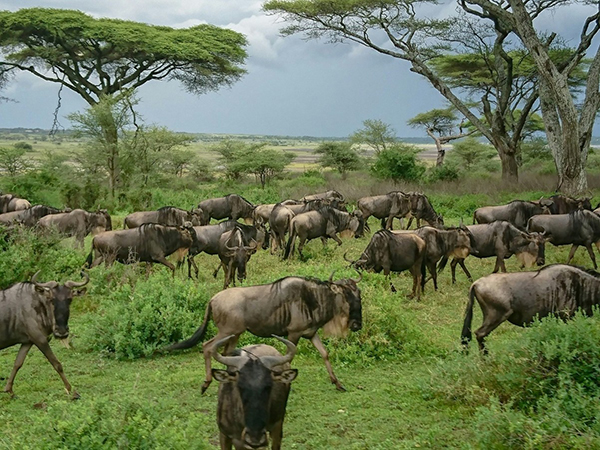
East Africa can sometimes be viewed as a higher-risk destination for illness, with concerns around tropical diseases, limited healthcare, or a lack of medical support if something was to occur. With health and hygiene being more widely prioritised today, this can be a cause of concern for travellers wanting to visit.
Health risks are largely manageable with proper preparation. Pre-travel vaccinations such as Hep A, Typhoid and Tetanus are recommended before travelling to East Africa – you can find out more about travel vaccination advice here.
Accommodation is typically fitted with mosquito nets and other preventative measures, designed to make the tourist experience safe and comfortable for visitors. These preventions, along with standard travel health advice, significantly reduce any health risks travellers may face in this region.
Tourist areas are supported by private hospitals and clinics, with tour guides also being first aid trained. Sensible pre-planning and professional support during your trip greatly reduce the likelihood of illness during your travels.
Close encounters with wildlife can sound dangerous on paper, which can make some travellers worried that safaris involve unnecessary risks or uncontrolled interactions with animals.
Safaris are highly structured and led by experienced, professional guides. Strict park rules, well-designed lodges and expert knowledge of animal behaviours ensure all encounters are safe and controlled. Incidents involving wildlife and visitors are extremely rare with thorough precautions in place through the parks and private reserves, meaning travellers can enjoy intimate wildlife experiences with confidence.
East Africa is far safer and more established for tourists than many misconceptions suggest. Through professional tour operators and a strong regional commitment to visitor safety, travelling in East Africa is both safe and extremely rewarding.
For travellers and travel providers alike, understanding the reality behind common myths helps ensure confident planning and exceptional experiences. At ARP Africa, we work with local experts and tour guides to bring together safe and unforgettable safari itineraries for you.
If you’re looking to create lifelong memories on a trip to East Africa, get in touch with us today.