
Planning your first East African safari is an exciting step towards one of the world’s most unforgettable travel experiences. From spectacular wildlife encounters to breathtaking landscapes, preparation plays an important role in ensuring you make the most of your journey. This guide shares practical insights and helpful tips to help you travel with confidence, comfort and realistic expectations.




Experiencing your first East African safari is one of the most exciting travel experiences available anywhere in the world. From witnessing the Great Migration across the Serengeti to spotting wildlife in their natural habitat, these memories can stay with you forever. But behind the spectacular imagery lies thoughtful preparation, and some of the most useful advice is not always obvious. This guide shares practical tips that no-one tells you before setting off on your first East African safari.
East Africa is made up of diverse landscapes and national parks, each with its own climate, scenery and wildlife rhythm.
Ideal for classic savannah landscapes and the drama of the Great Migration.
Known for vast plains, extraordinary game viewing and exceptional predator sightings.
Best known for the unforgettable experience of tracking mountain gorillas in remarkable forest settings.
Each destination has its own wildlife calendar, weather patterns and travel logistics. It is well worth researching early so you can shape your itinerary around the experiences and wildlife sightings that matter most to you.
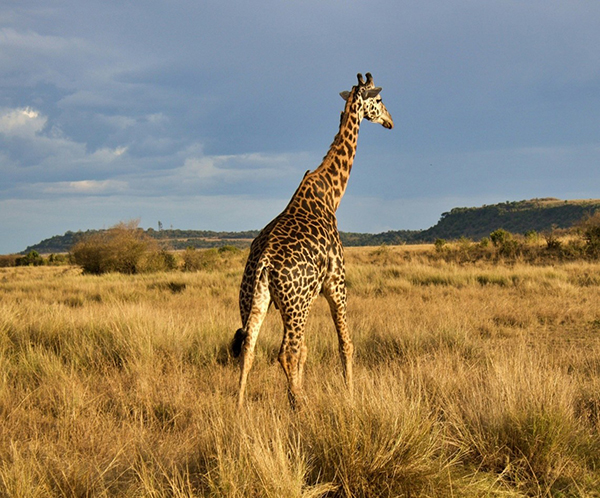
Before you travel, it is advisable to consult your doctor at least 6 to 8 weeks before departure to allow enough time for any recommended vaccinations or health precautions. You can also review reliable online sources for up-to-date advice around the time of travel.
Important: Always use trusted sources for medical guidance, such as the NHS in the United Kingdom.
With dry heat, dusty conditions and long days out in the bush, the East African climate can be more demanding than some travellers expect. To get the most from your safari, it is wise to travel with a few practical essentials that can make a real difference to your comfort.
Rehydration salts or electrolyte tablets are highly recommended, as are blister plasters for long days on your feet. Even if you feel perfectly well, staying ahead of dehydration is far better than trying to recover from it later. A little over-preparation can go a long way on safari.
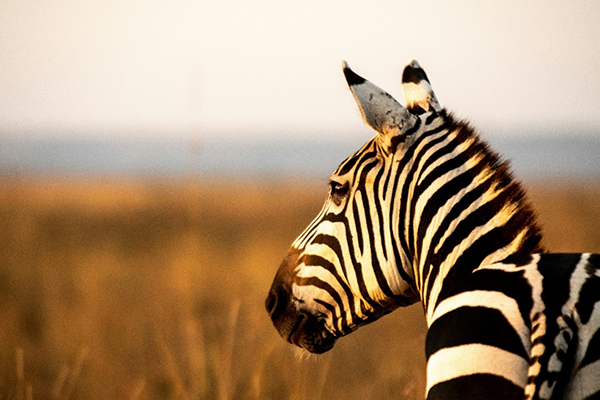
Packing the right clothing is an important part of preparing for safari. Lightweight, breathable clothing is ideal for warm daytime temperatures, while layers such as a fleece or light jacket are useful for the cooler mornings and evenings.
Comfortable walking shoes should also be high on your packing list, especially if your itinerary includes a walking safari. Sun-safe clothing, a wide-brimmed hat and UV-protection sunglasses are also strongly recommended, as midday temperatures can be intense. It is also best to avoid bright colours and very dark shades such as blue or black, which may attract tsetse flies in some areas.
Most wildlife sightings take place in the early morning or late afternoon, so early starts are very much part of the safari experience. It is important to be prepared for this, and where possible your flight timings should work around safari activity patterns.
Safari itineraries can also involve long periods in open vehicles, as these often provide the best viewing opportunities. Dust can be part of the experience, so a light neck scarf or face covering can be very useful during game drives.
Nature does not work to a schedule, and wildlife sightings are never guaranteed. Animals can be elusive on some days, which is why timing and destination research are so important when planning your safari.
We recommend bringing binoculars and reading up on safari photography before you travel, especially if you want to make the most of your sightings. A camera with a zoom lens, along with spare batteries and extra memory cards, can make all the difference, as charging opportunities may be limited in some camps and lodges.
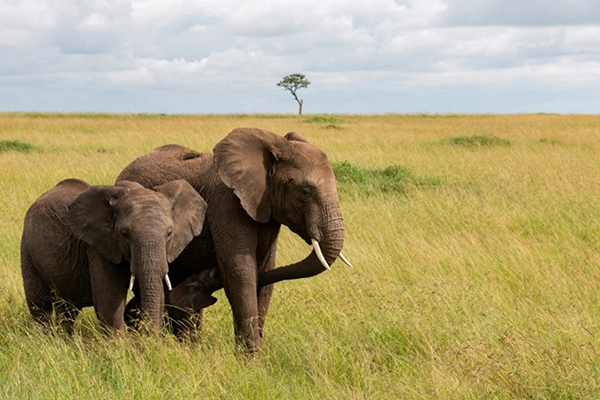
Safari etiquette matters. Respecting wildlife and following the guidance of your safari guide are essential for both your own safety and the wellbeing of the animals. Keeping a respectful distance and remaining calm and quiet helps avoid disturbing wildlife and often improves your chances of meaningful sightings.
Sudden movements, loud voices or standing abruptly in a vehicle can startle animals and cause them to retreat. The best sightings often come from patience, quiet observation and trust in your guide’s experience.
It is a good idea to carry a small amount of cash with you during your safari, as some extras at camps and lodges may be cash only. Tipping is also customary across much of East Africa, with many guides and lodge teams relying on gratuities as an important part of their income.
For the latest guidance, please consult your ARP Africa Travel tour consultant, who will be able to advise you on current tipping recommendations.
Wi-Fi and mobile network coverage in remote parks can be very limited, and in some locations may be unavailable altogether. Some lodges offer satellite-based connectivity, but this should never be assumed.
It is a good idea to prepare family and friends at home before you travel by sharing your general itinerary and expected check-in times, so they know there may be periods when you are offline.
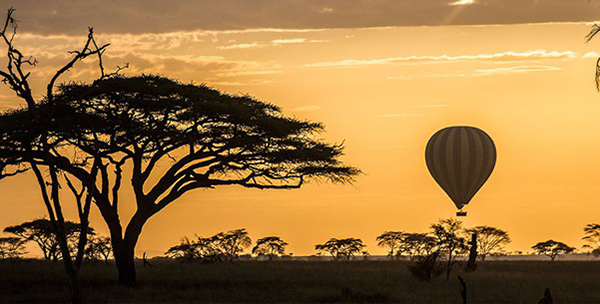
Travel insurance should always be a priority when preparing for an international trip, and for an East African safari it is especially important. A suitable policy should typically include:
It is also important to make sure your policy specifically includes safari game drives and related activities, as not all travel insurance policies do.
East Africa’s communities are vibrant and fascinating, and visiting them can be one of the most rewarding parts of a journey. It is important, however, to approach local culture with respect and sensitivity.
Dressing modestly in villages and towns, asking permission before photographing people, and showing courtesy in community settings all help create more meaningful and respectful interactions.
Preparing for your first East African safari goes beyond packing the right clothing and bringing a camera. It means understanding the health precautions to take before departure, learning the rhythm of safari life, and travelling with patience, curiosity and respect.
When you prepare thoughtfully, your safari can exceed your wildest expectations. Ready to start planning your first East African safari? Explore our safaris or contact us today to find out more.