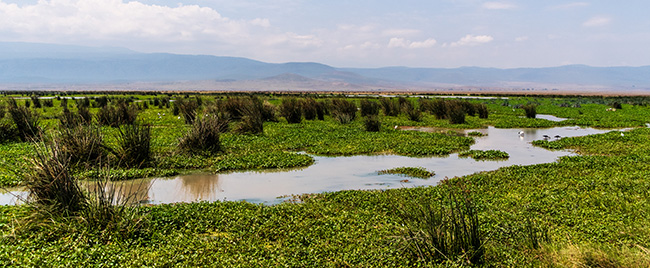
East Africa’s green season reveals a very different side of safari, as seasonal rains transform the landscape with fresh vegetation, dramatic skies and renewed wildlife activity. From wildebeest calving on the southern Serengeti plains and rewarding predator encounters to exceptional birdlife, beautiful photographic conditions and fewer vehicles in many areas, travelling beyond the traditional dry-season months can offer an immensely rewarding experience. For those prepared for the occasional shower, the green season provides an opportunity to discover East Africa when its landscapes are at their most vibrant and alive.
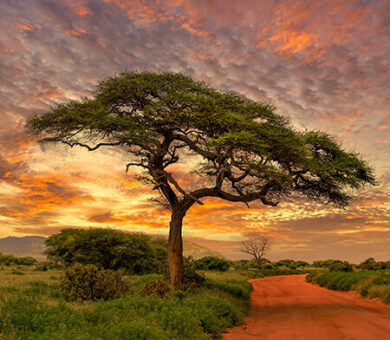
When planning an African safari, many travellers first think of the dry season. Open grasslands and wildlife gathering around shrinking waterholes have helped define the classic safari experience, and these months understandably attract plenty of attention.
However, the arrival of rain brings another side of East Africa’s into view, the green season. This time of year sees fresh grass spread across the plains, and newborn wildebeest take their first uncertain steps beside the herds. In many areas, you can explore with fewer vehicles around you.
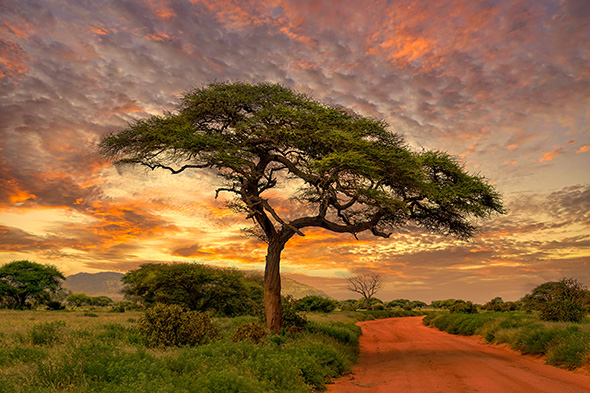
A green season safari offers the chance to experience these changes first-hand. For travellers willing to look beyond the traditional peak months, it can be a particularly rewarding time to discover the region.
The green season takes its name from the transformation that follows seasonal rainfall, as dry landscapes become greener and fresh grazing becomes available.
In Kenya and northern Tanzania, the term often describes the broader period from November to May. However, conditions vary considerably within this window. It includes two rainy periods, with a generally drier spell between them:
The short rains usually arrive as brief afternoon showers, leaving plenty of time for uninterrupted game drives. The long rains bring heavier, more consistent downpours, prompting several camps to close for annual maintenance. It’s always worth checking camp operational dates when coming to trip planning.
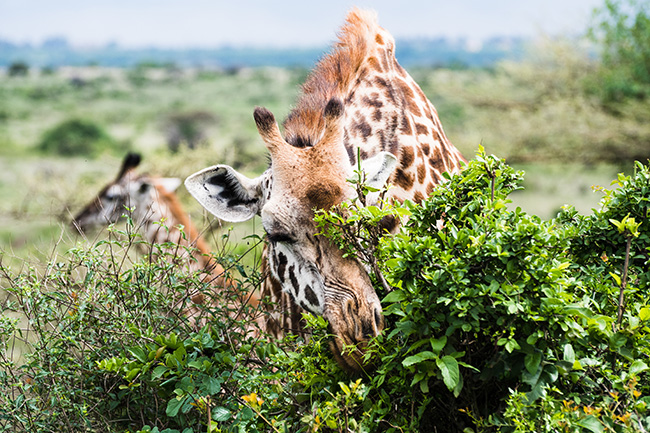
During the dry season, animals often gather around the remaining water sources, making their movements easier to anticipate. Once the rains arrive, fresh grazing and more widely available water allow some species to spread out.
This changes how you look for wildlife. Taller grass can make smaller animals harder to spot, and sightings may require more patience. Experienced guides draw on their understanding of local habitats and recent animal movements to decide where to spend time.
There is still plenty to discover. Resident predators remain part of the ecosystem, while seasonal concentrations of prey can create particularly rewarding wildlife encounters.
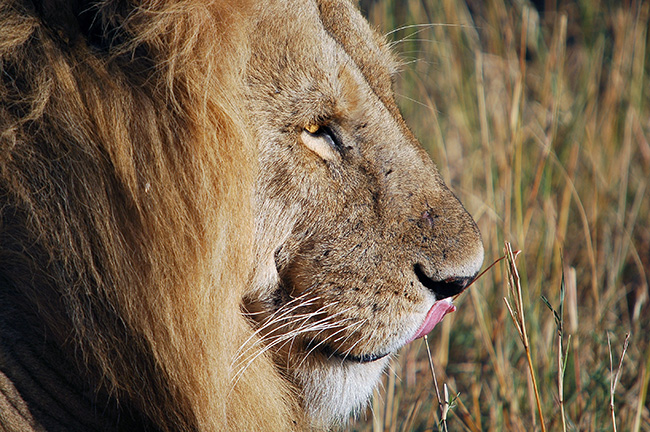
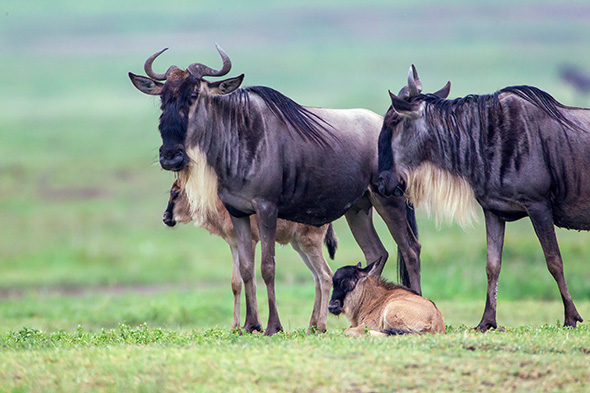
One of the strongest reasons to consider a green season safari is the wildebeest calving period in northern Tanzania.
Between January and March, the southern Serengeti and the Ndutu area of the Ngorongoro Conservation Area become an important gathering place for the migratory herds. Calving usually peaks around February, although the timing and location of the herds depend on rainfall and grazing conditions.
Watching a newborn calf find its feet brings a different perspective to the Great Migration. Rather than focusing on a river crossing, you can spend time observing the herds as they feed and care for their young.
The concentration of vulnerable calves also creates feeding opportunities for predators. Lions, cheetahs and hyenas are part of this seasonal activity, and encounters can reveal the difficult balance between new life and survival.
For travellers interested in animal behaviour, there is much to observe beyond simply recording which species they have seen.
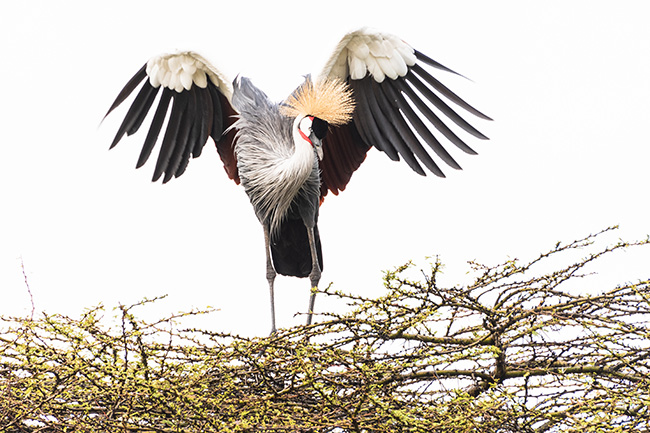
The greener months also reward travellers who take an interest in the wildlife above the grasslands and along the waterways.
Migratory birds visiting from the Northern Hemisphere add to East Africa’s resident species. Meanwhile, some resident birds enter their breeding periods, bringing more noticeable displays and colourful plumage.
Even if birdwatching is new to you, it can become an unexpectedly enjoyable part of a game drive. A guide might pause to identify a visiting species or draw your attention to a bird carrying nesting material through the branches.
The green season gives familiar safari scenes a noticeably different appearance. Fresh vegetation changes the background of a photograph, while rain can clear dust from the air and leave distant features more distinct.
Cloud cover can soften the light, and passing weather creates opportunities to photograph animals beneath dramatic skies. These conditions are changeable, rather than guaranteed, but that variety is part of the appeal.
You might frame a herd within a wide expanse of green grass instead of filling the image with a single animal. A clearing shower can become part of the scene, giving a photograph a stronger sense of the conditions around you.
Allowing time at sightings helps you make the most of these opportunities. The photograph you remember may come from watching an interaction unfold, rather than arriving just long enough to take a quick picture.
A rewarding green season safari starts with understanding the conditions in the places you plan to visit. A February journey around Ndutu will feel different from an April stay elsewhere in Tanzania.
Before choosing your itinerary, consider the following:
Local advice is particularly valuable when weighing these details. Knowing which areas remain practical to explore helps turn a broad seasonal preference into a well-considered safari.
If you enjoy photography or prefer quieter surroundings, the green season deserves serious consideration. It can also suit returning safari travellers who want to experience familiar destinations at a different point in their annual cycle.
You do need to be comfortable with some uncertainty around the weather. If your priority is consistently dry conditions and clearer visibility through the bush, the dry season may suit you better.
For many travellers, though, watching the landscape respond to rain becomes one of the pleasures of the journey. There is time to notice fresh growth and follow the behaviour of animals within a changing environment.
Find out more about bringing East Africa’s green season into your safari itineraries. Speak to an expert today to help plan your packages.